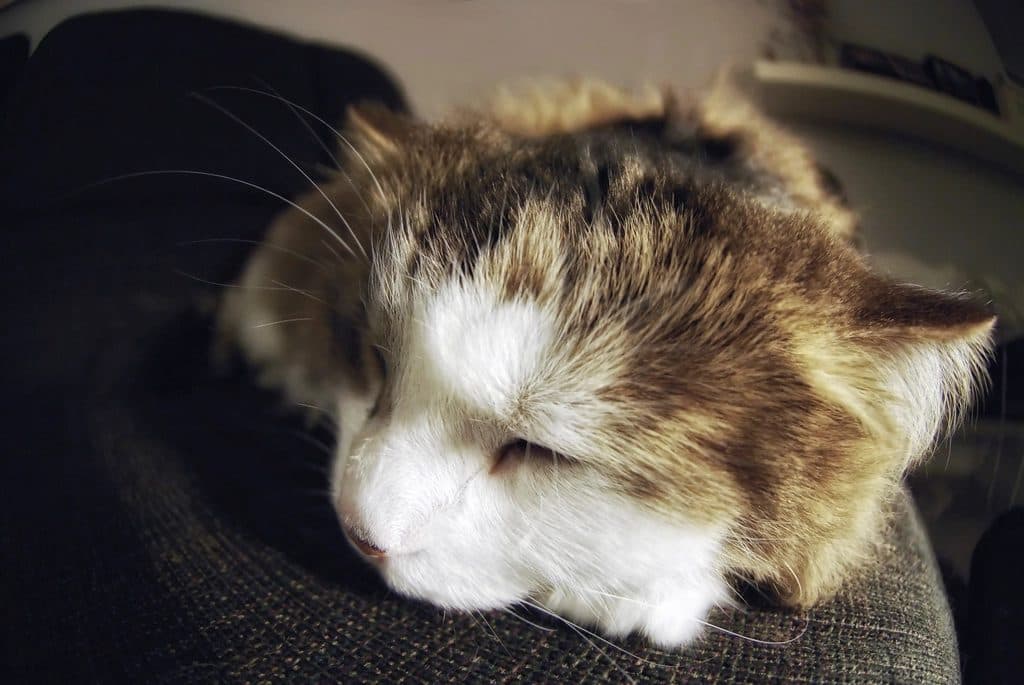
Understanding cat vomiting and diarrhea
Vomiting and diarrhea in cats are some of the most common reasons for a vet visit. Often the cause is simple, like a sudden food change or a hairball. Parasites, stress and infections can cause it too. The main risk is dehydration, especially in very young or older pets. Signs like blood, a swollen belly or repeated vomiting mean the problem is more serious. A vet can ask the right questions to tell the difference.
Signs to watch for
Every cat is different. These are the signs vets see most often:
- Vomiting or bringing up food.
- Loose stool or diarrhea.
- Not eating, or eating less.
- Gurgling stomach or passing gas.
- Tiredness or lower energy.
One sign on its own may not mean much. A few together, or signs that keep coming back, are worth a vet visit.
Common causes
Finding the cause is what makes treatment work. Common ones include:
- Hairballs.
- A sudden change in diet.
- Parasites.
- Stress.
- Infections or a longer-term gut condition.
How an online vet can help
A video visit with an online vet is often the fastest way to get answers. In one call, a licensed vet can:
- Ask about timing, frequency and what's in the vomit or stool.
- Check for signs of dehydration on camera.
- Advise on a bland diet and rest.
- Prescribe anti-nausea or gut medication when appropriate.
- Tell you when it's time for an in-person visit.
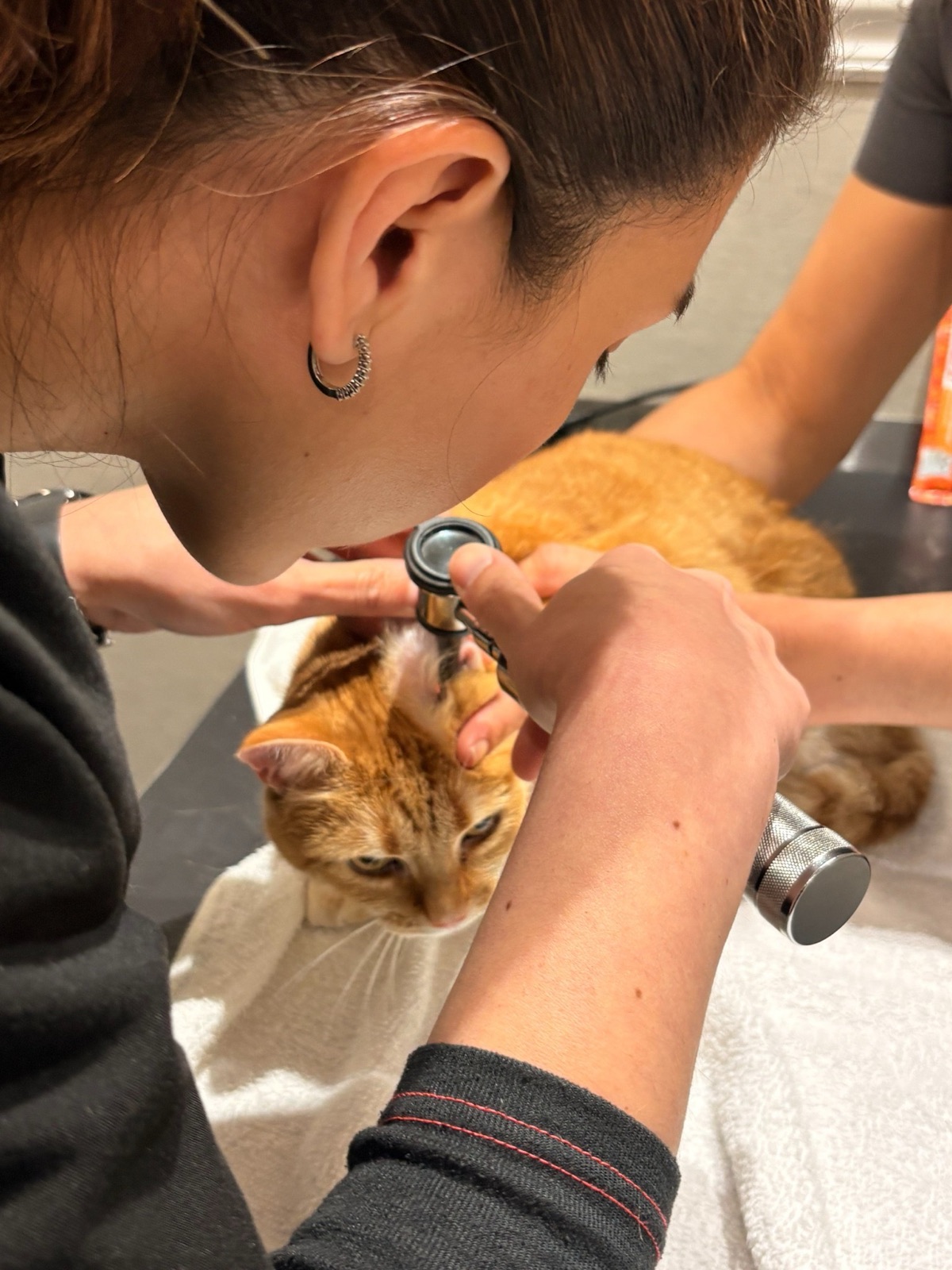
Before the call, take a few clear photos or a short video of the problem. Find a bright, quiet room. Keep your cat's food, any medicine and a few treats nearby. Write down when the problem started and what has changed since.
Treatment for vomiting and diarrhea in cats
For mild cases, your vet may suggest a short rest for the stomach, then small meals of a bland food. They may prescribe medicine to settle nausea or firm up stools. If parasites are likely, a stool test can confirm it. Your vet will tell you what to watch for and when to check back in. If things get worse, they will help you plan an in-person visit.
For more background, see the ASPCA Animal Poison Control Center, a trusted source written for pet owners.
Caring for your cat at home
Alongside your vet's plan, these steps help:
- Keep fresh water available.
- Follow your vet's advice before withholding food.
- Take a photo of the vomit or stool — it helps the vet.
- Note anything new your pet ate in the last day.
Change foods slowly over a week. Keep trash, toys and human food out of reach. Keep up with worming as your vet advises.
Questions your vet may ask
Having answers ready makes the visit faster and more useful. Your vet will likely ask:
- When did it start, and how many times has it happened?
- Have you seen blood, or anything your cat may have eaten?
- Is your cat drinking and keeping water down?
- Has the food changed recently?
- Is your cat still playful, or tired and quiet?
After your visit, you'll find the care plan in your dashboard. If things don't improve as expected, book a follow-up with the same vet. They will already know your cat's history.
When to go in person
Go to an emergency clinic now if you notice:
- Blood in the vomit, or black, tarry stool
- Repeated vomiting and can't keep water down
- A swollen, hard belly — especially in large dogs
- Swallowing a toy, bone, medication or toxic food
- Vomiting or diarrhea in a very young kitten or a frail older pet
Video visits aren't for emergencies. Don't wait for an appointment.
Still not sure what's going on?
A vet can look at your cat today and tell you what to do next.
Also see: Vomiting & diarrhea in dogs