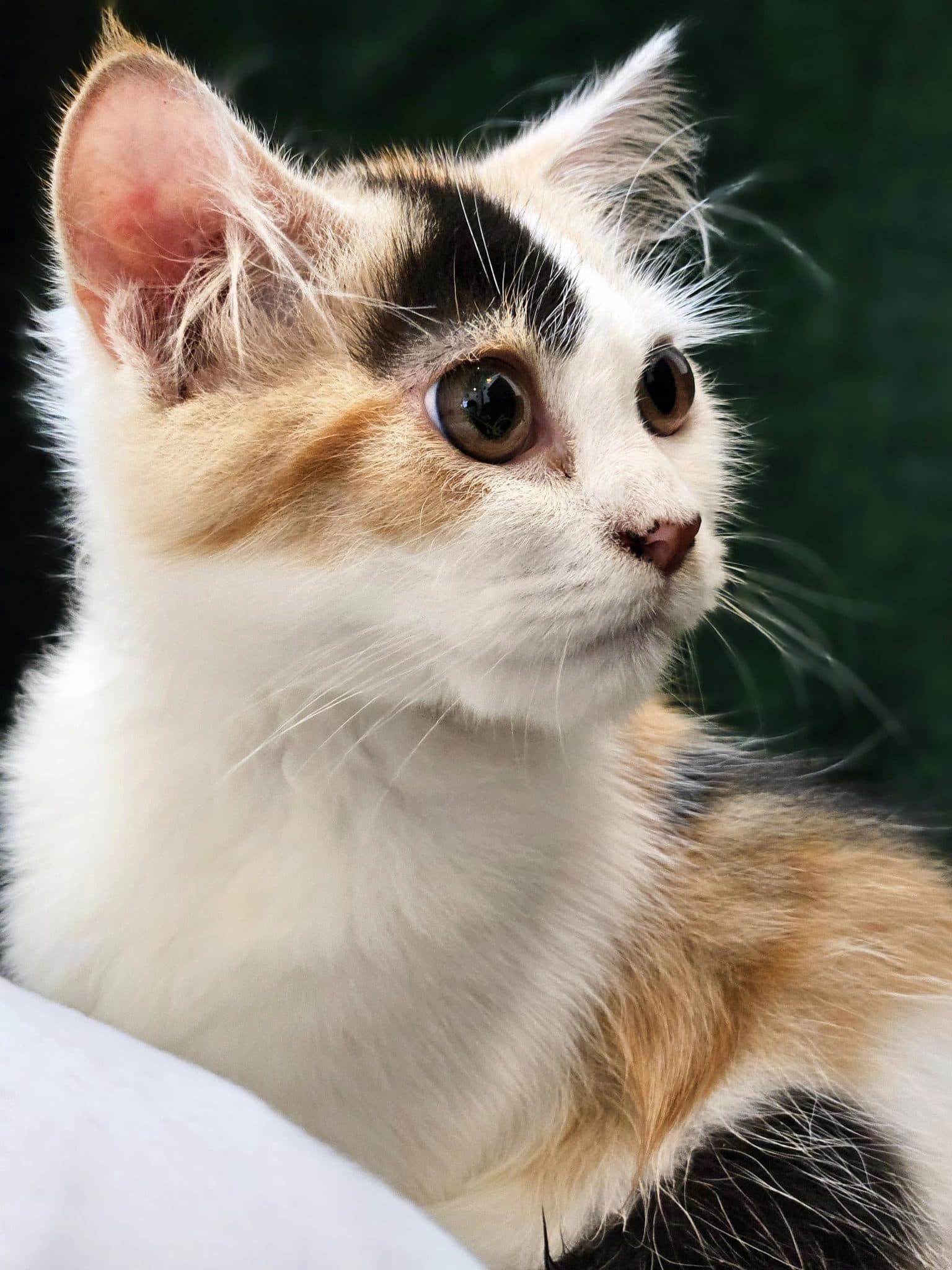
Understanding cat ear infections
Ear infections in cats are painful but usually easy to treat once caught. The ear canal is warm and dark, so yeast and bacteria grow well there. In cats, ear mites are a common cause, especially in kittens and cats that go outside. Allergies are another big cause, because they make the ear skin red and swollen. Left alone, an infection can spread deeper into the ear. That can affect balance and hearing, so it's best to act early.
Signs to watch for
Every cat is different. These are the signs vets see most often:
- Shaking the head or tilting it to one side.
- Scratching at the ears.
- Redness, swelling or discharge.
- A yeasty or bad smell.
- Pain when the ears are touched.
One sign on its own may not mean much. A few together, or signs that keep coming back, are worth a vet visit.
Common causes
Finding the cause is what makes treatment work. Common ones include:
- Yeast or bacterial infections.
- Ear mites — especially in kittens and outdoor cats.
- Allergies, which often show up in the ears first.
- Wax build-up.
- Something stuck in the ear canal, such as a grass seed.
How an online vet can help
A video visit with an online vet is often the fastest way to get answers. In one call, a licensed vet can:
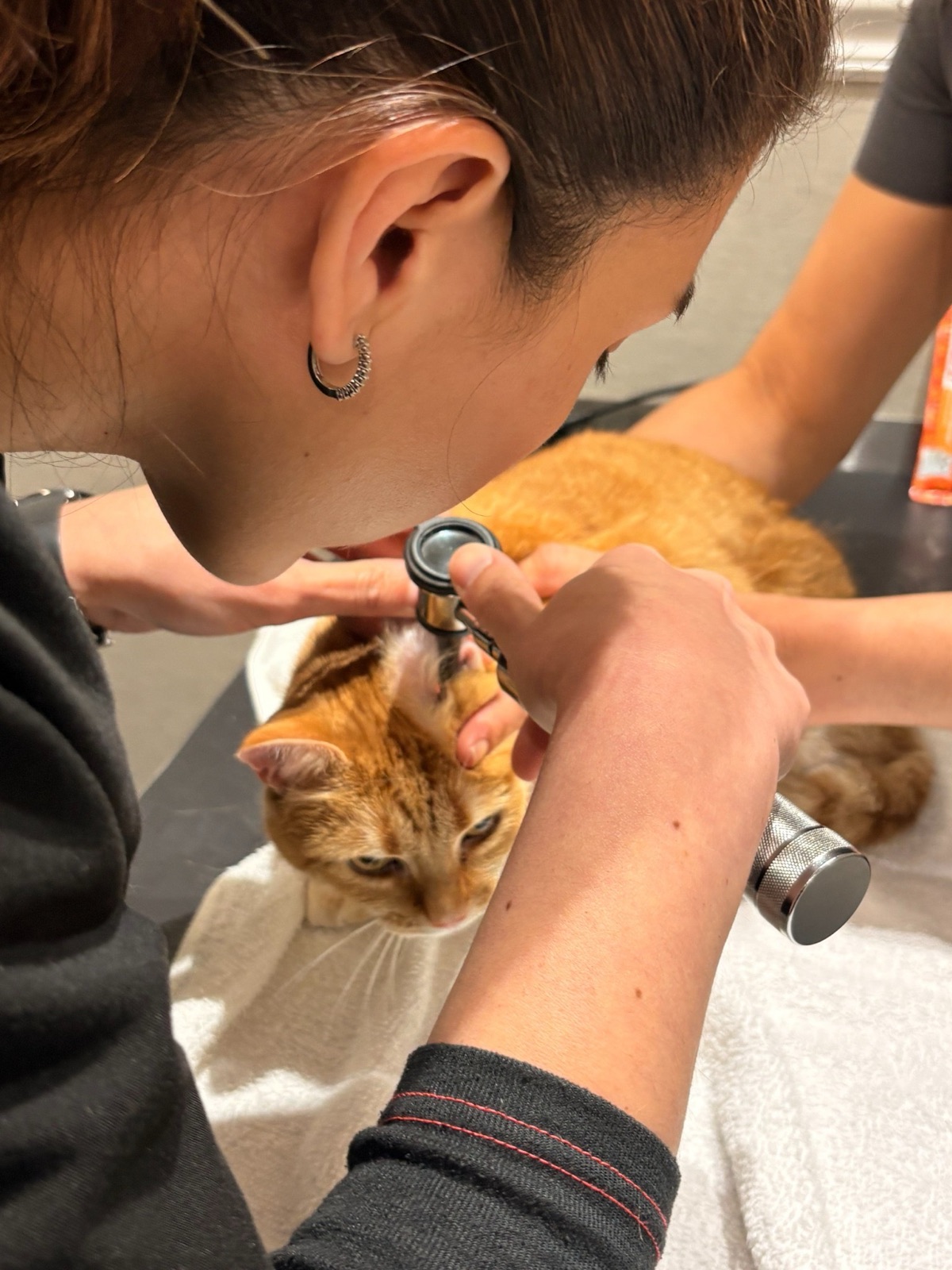
- Look at the outer ear and discharge on camera.
- Show you how to clean the ears safely.
- Prescribe ear drops when appropriate.
- Tell you if the ear drum needs checking in person before drops are used.
Before the call, take a few clear photos or a short video of the problem. Find a bright, quiet room. Keep your cat's food, any medicine and a few treats nearby. Write down when the problem started and what has changed since.
Treatment for ear infections in cats
Most outer ear infections are treated with ear drops. Your vet will show you how to clean the ear first, so the drops can reach the problem. Treatment usually lasts one to two weeks. It's important to finish the full course, even if your cat seems better. If the ear drum may be damaged, or something is stuck in the ear, your vet will ask for an in-person exam before any drops are used.
For more background, see the Merck Veterinary Manual — Pet Owner Version, a trusted source written for pet owners.
Caring for your cat at home
Alongside your vet's plan, these steps help:
- Don't put cotton buds down the ear canal.
- Don't use leftover drops from a past infection without asking a vet.
- Dry the ears after swimming or bathing.
Check your cat's ears once a week. Dry them well after swimming or a bath. If ear infections keep coming back, ask your vet about allergies.
Questions your vet may ask
Having answers ready makes the visit faster and more useful. Your vet will likely ask:
- Is it one ear or both?
- How long has your cat been shaking its head or scratching?
- Have you seen discharge, and what color is it?
- Has your cat had ear infections before?
- Has your cat been swimming or bathed recently?
After your visit, you'll find the care plan in your dashboard. If things don't improve as expected, book a follow-up with the same vet. They will already know your cat's history.
When to go in person
Go to an emergency clinic now if you notice:
- Sudden loss of balance, walking in circles or a head tilt that won't go away
- Flickering eyes
- A swollen, fluid-filled ear flap
- Severe pain or bleeding from the ear
Video visits aren't for emergencies. Don't wait for an appointment.
Still not sure what's going on?
A vet can look at your cat today and tell you what to do next.
Also see: Ear in dogs