
Understanding dog behavior problems
Behavior problems in dogs are stressful for everyone at home. Some are about fear, like a fear of noise or being left alone. In dogs, barking, chewing and pulling are common signs of stress or boredom. A sudden change in behavior can also be the first sign of pain or illness. That is why a vet is a good first stop, before you start a training plan.
Signs to watch for
Every dog is different. These are the signs vets see most often:
- Fear of noises, visitors or being left alone.
- Barking, chewing or destruction when left alone.
- Growling, hissing or biting.
- Sudden changes in sleep, appetite or personality.
- Restlessness at night in older pets.
One sign on its own may not mean much. A few together, or signs that keep coming back, are worth a vet visit.
Common causes
Finding the cause is what makes treatment work. Common ones include:
- Anxiety or fear.
- Pain or illness.
- Changes at home — a move, a new pet or a new baby.
- Not enough exercise or play.
- Age-related changes in older pets.
How an online vet can help
A video visit with an online vet is often the fastest way to get answers. In one call, a licensed vet can:
- Watch your dog's behavior in their own space.
- Rule medical causes in or out.
- Give you a practical behavior plan.
- Prescribe anti-anxiety medication when it's appropriate.
- Refer you to a behaviorist or trainer if needed.
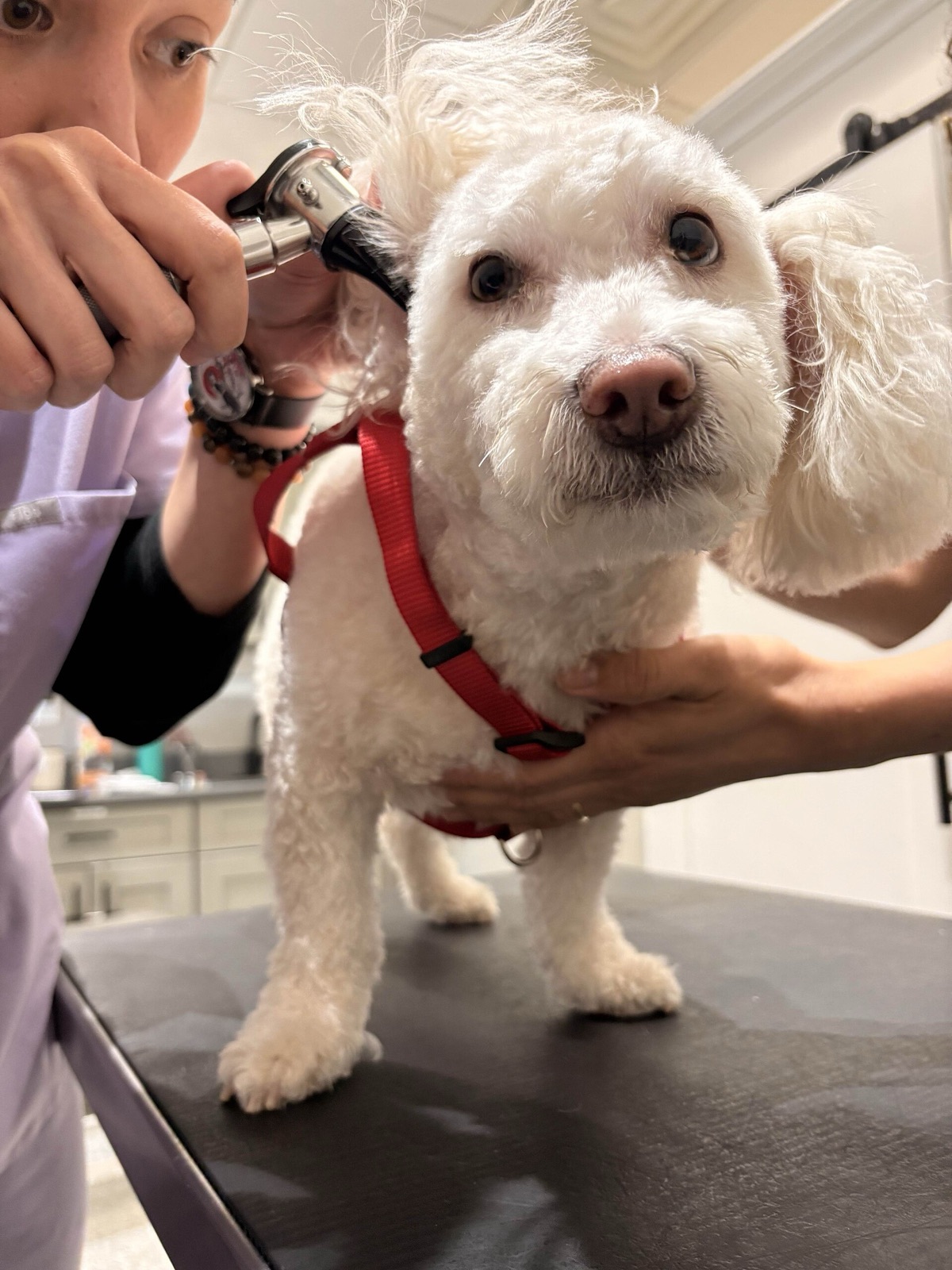
Before the call, take a few clear photos or a short video of the problem. Find a bright, quiet room. Keep your dog's food, any medicine and a few treats nearby. Write down when the problem started and what has changed since.
Treatment for behavior problems in dogs
Your vet will first rule out a medical cause. Then they will help you build a plan. It may include changes to your routine, more exercise and play, and rewards for calm behavior. Some pets also benefit from anti-anxiety medicine. If needed, your vet can refer you to a behavior specialist or a trainer. Progress takes time, so expect small steps. Keep a short diary of good and bad days. It shows you what is working, and it helps your vet fine-tune the plan at follow-up visits.
For more background, see the Merck Veterinary Manual — Pet Owner Version, a trusted source written for pet owners.
Caring for your dog at home
Alongside your vet's plan, these steps help:
- Keep a short diary of when the behavior happens.
- Film an episode if you can do it safely.
- Reward calm behavior and avoid punishment, which can make fear worse.
Give your dog a steady routine and plenty of play. Introduce new people, pets and places slowly. Reward the behavior you want to see.
Questions your vet may ask
Having answers ready makes the visit faster and more useful. Your vet will likely ask:
- When did the behavior start?
- What seems to set it off?
- Has anything changed at home, like a move or a new pet?
- How much exercise and play does your dog get each day?
- Is your dog eating, sleeping and toileting normally?
After your visit, you'll find the care plan in your dashboard. If things don't improve as expected, book a follow-up with the same vet. They will already know your dog's history.
When to go in person
Go to an emergency clinic now if you notice:
- Aggression that puts people or other animals at risk
- A sudden change in behavior along with signs of pain or illness
Video visits aren't for emergencies. Don't wait for an appointment.
Still not sure what's going on?
A vet can look at your dog today and tell you what to do next.
Also see: Behavior & training in cats