Understanding dog allergies
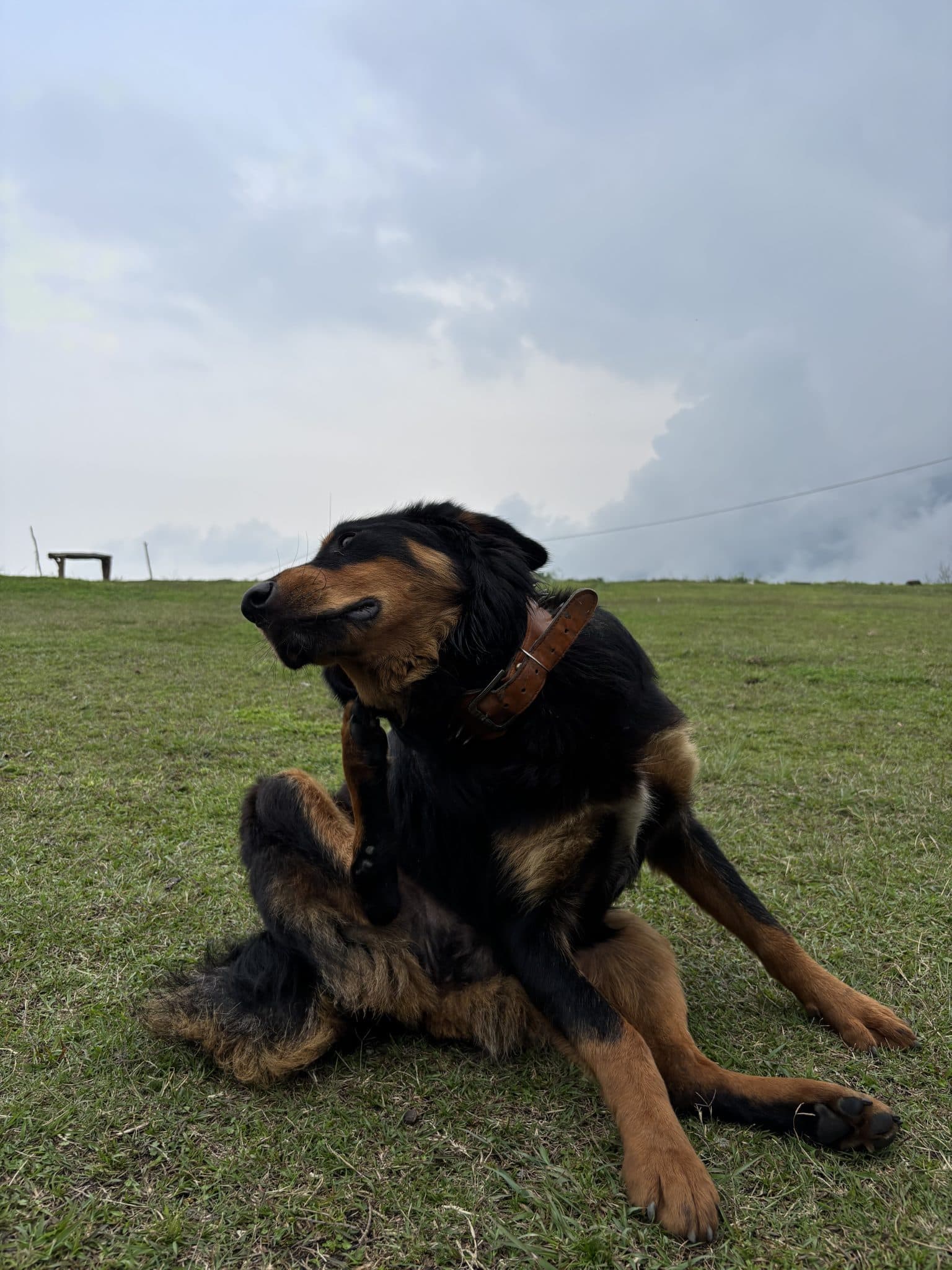
Allergies in dogs happen when the body overreacts to something harmless. That might be a flea bite, pollen, dust or a protein in food. The result is usually itchy skin. Scratching then breaks the skin, and sores or infections can follow. Many dogs show it first in their paws, ears and belly. Allergies rarely go away on their own. The good news is that most dogs feel much better once the trigger is found and the itch is under control.
Signs to watch for
Every dog is different. These are the signs vets see most often:
- Constant scratching, licking or chewing at paws.
- Red, irritated or flaky skin.
- Repeated ear infections or head shaking.
- Rubbing the face along the floor or furniture.
- Watery eyes or sneezing.
One sign on its own may not mean much. A few together, or signs that keep coming back, are worth a vet visit.
Common causes
Finding the cause is what makes treatment work. Common ones include:
- Flea bites — the most common trigger, even if you never see a flea.
- Environmental allergens such as pollen, dust mites and mould.
- A reaction to a protein in their food.
- Contact with something new: a cleaner, a fabric, a plant.
How an online vet can help
A video visit with an online vet is often the fastest way to get answers. In one call, a licensed vet can:
- Look at the skin, ears and coat up close on camera.
- Ask about timing, season and diet to narrow down the trigger.
- Recommend parasite control, diet changes or a medicated wash.
- Prescribe allergy medication when it's appropriate.
- Tell you when skin scrapes, cytology or allergy testing are worth an in-person visit.
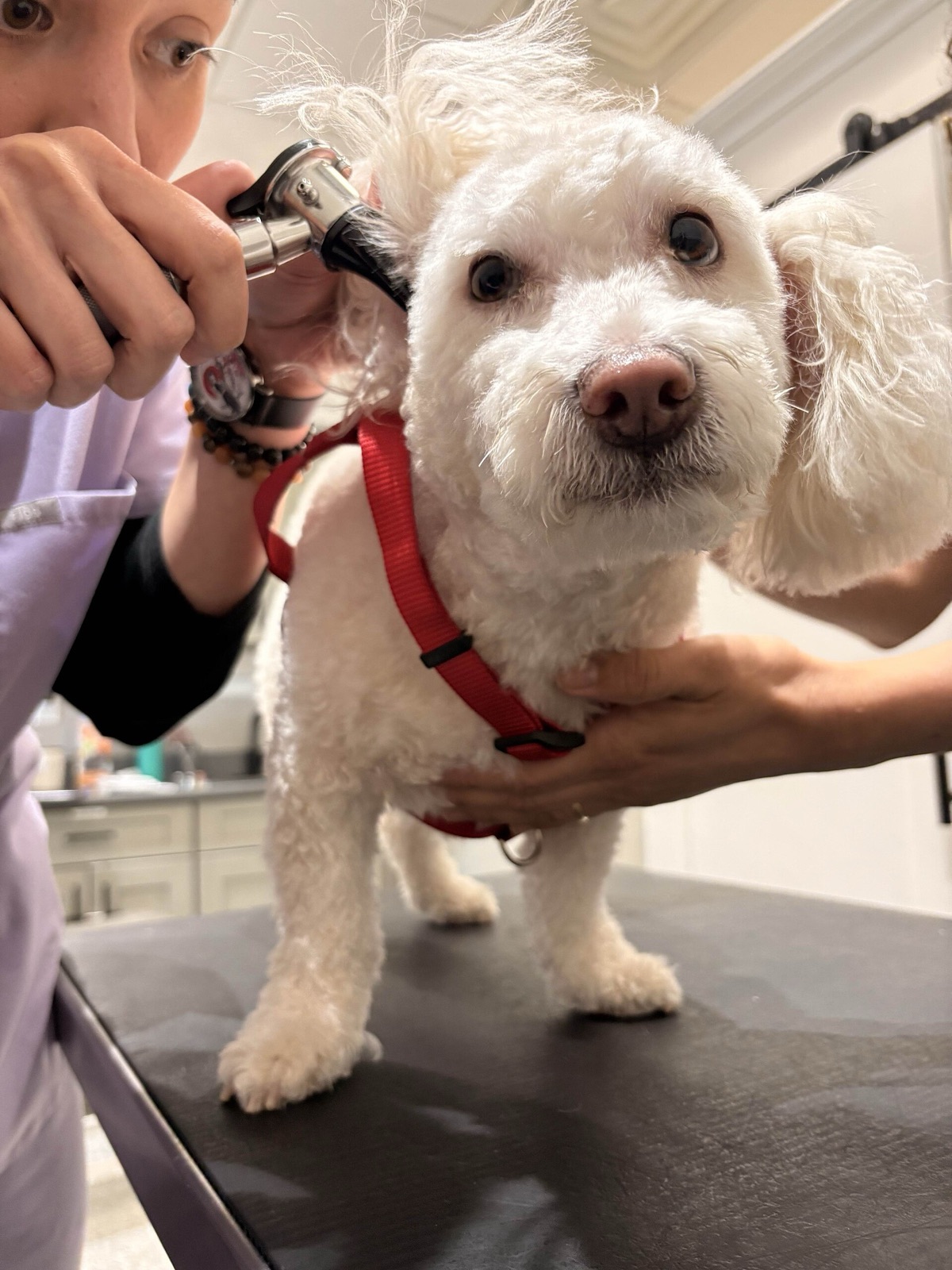
Before the call, take a few clear photos or a short video of the problem. Find a bright, quiet room. Keep your dog's food, any medicine and a few treats nearby. Write down when the problem started and what has changed since.
Treatment for allergies in dogs
Treatment depends on the trigger. Flea allergies get better with strict flea control for every pet in the home. Food allergies need a diet trial. Your dog eats one special food, and nothing else, for six to eight weeks. Seasonal allergies are often managed with medicine that calms the itch. Your vet may also suggest a medicated shampoo, ear care or an omega-3 supplement. Most plans take a few weeks to work fully, so a follow-up visit is worth booking.
For more background, see the Merck Veterinary Manual — Pet Owner Version, a trusted source written for pet owners.
Caring for your dog at home
Alongside your vet's plan, these steps help:
- Keep your dog on year-round flea prevention made for dogs.
- Wash bedding weekly in hot water.
- Wipe paws and coat after time outdoors in high-pollen months.
- Don't switch foods back and forth — a food trial needs one diet for several weeks.
You can't always prevent allergies, but you can cut down flare-ups. Keep up flea prevention all year. Note when symptoms start each year, since a seasonal pattern helps your vet plan ahead.
Questions your vet may ask
Having answers ready makes the visit faster and more useful. Your vet will likely ask:
- When did the itching start, and is it worse at certain times of year?
- Which parts of the body does your dog lick or scratch most?
- Is your dog on flea prevention, and when was the last dose?
- Have you changed food, treats or cleaning products lately?
- Do other pets in the home have the same signs?
After your visit, you'll find the care plan in your dashboard. If things don't improve as expected, book a follow-up with the same vet. They will already know your dog's history.
When to go in person
Go to an emergency clinic now if you notice:
- Swelling of the face, lips or throat
- Trouble breathing
- Hives that appear suddenly across the body
- Vomiting or collapse after a sting or bite
Video visits aren't for emergencies. Don't wait for an appointment.
Still not sure what's going on?
A vet can look at your dog today and tell you what to do next.
Also see: Allergies in cats