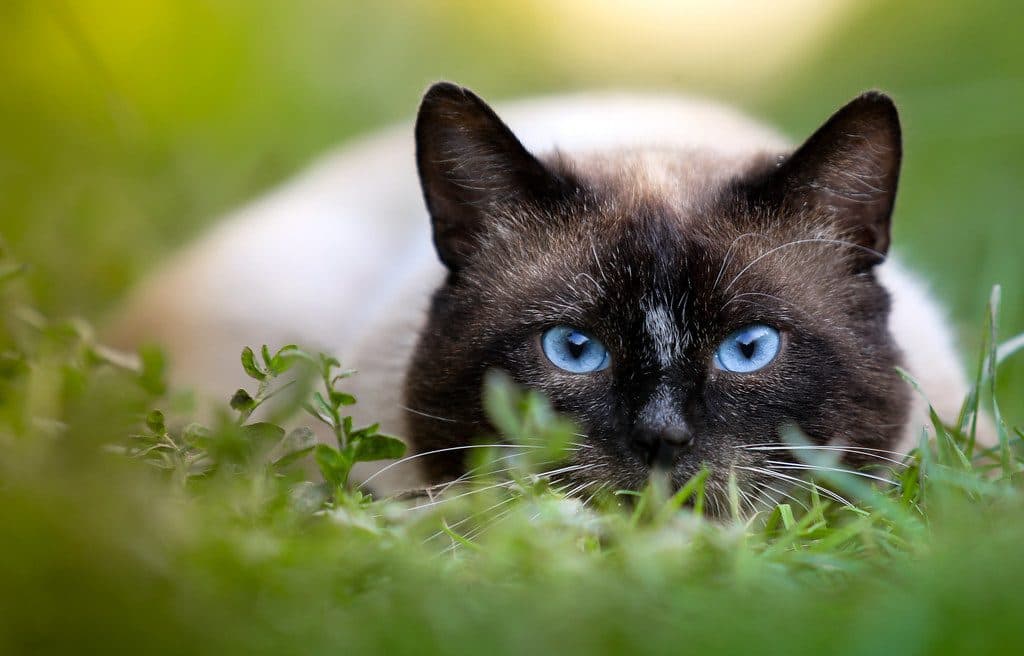
Understanding cat eye problems
Eye problems in cats can change quickly, so they are worth taking seriously. Many are mild, like an irritation from dust or a short bout of conjunctivitis. In cats, a common virus called feline herpes often causes sore, weepy eyes, and it can flare up during stress. A scratch on the eye's surface is painful and needs prompt care. Squinting is a strong sign of pain, so don't wait if your cat keeps one eye closed.
Signs to watch for
Every cat is different. These are the signs vets see most often:
- Redness or swelling.
- Discharge — clear, yellow or green.
- Squinting or keeping one eye closed.
- Pawing at the eye.
- Cloudiness or a change in colour.
One sign on its own may not mean much. A few together, or signs that keep coming back, are worth a vet visit.
Common causes
Finding the cause is what makes treatment work. Common ones include:
- Conjunctivitis.
- Feline herpesvirus flare-ups.
- Scratches on the surface of the eye.
- Something stuck under the eyelid.
- Dry eye.
How an online vet can help
A video visit with an online vet is often the fastest way to get answers. In one call, a licensed vet can:
- Look at the eyes closely on camera.
- Tell you how urgent it is.
- Recommend safe cleaning and comfort measures.
- Prescribe treatment for mild problems when appropriate.
- Refer you for an eye stain or pressure test in person when it's needed.
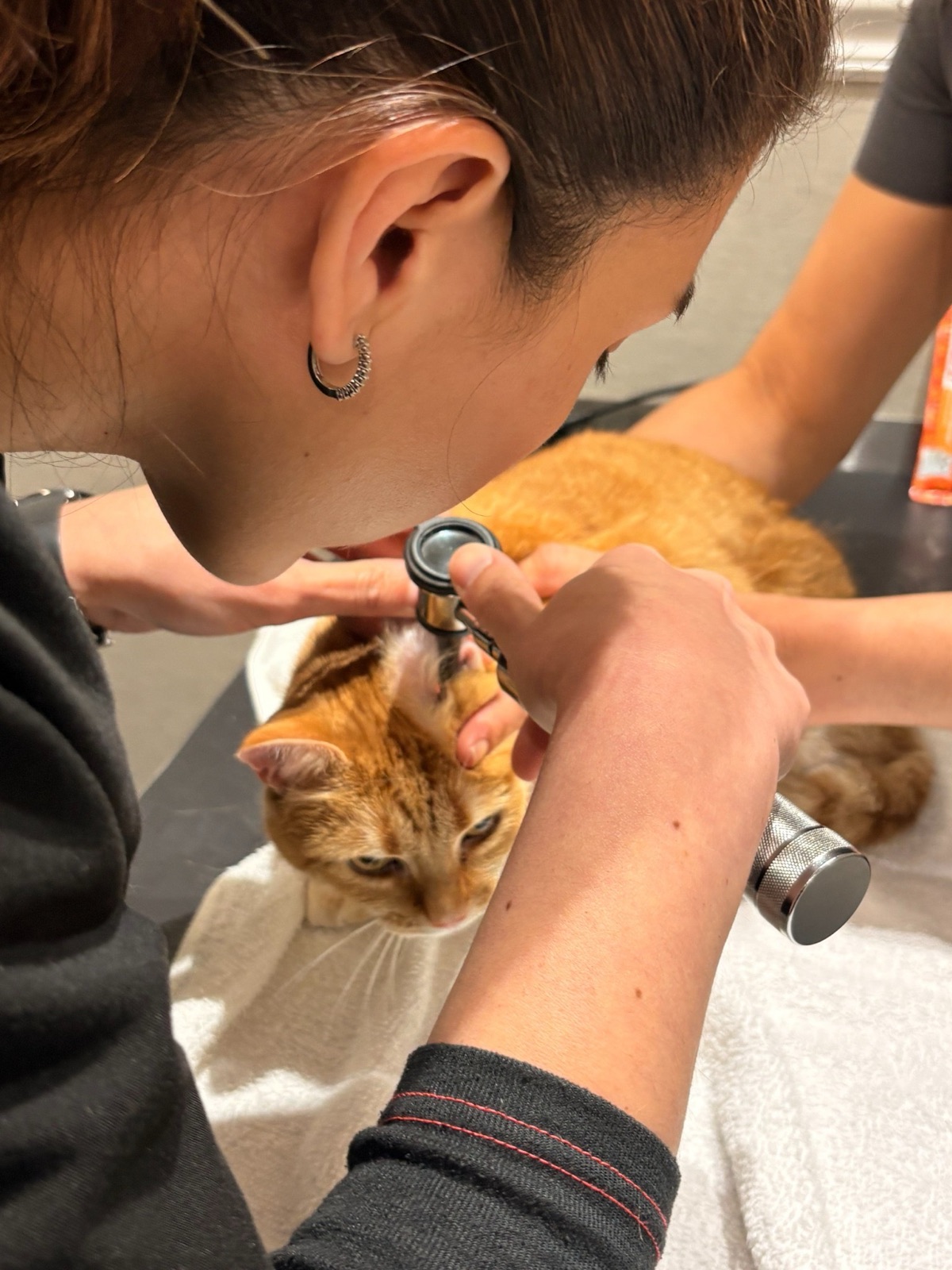
Before the call, take a few clear photos or a short video of the problem. Find a bright, quiet room. Keep your cat's food, any medicine and a few treats nearby. Write down when the problem started and what has changed since.
Treatment for eye problems in cats
Mild problems are often treated with eye drops or ointment. Your vet will show you how to put them in safely. If there might be a scratch, the eye needs a special stain test in person. That test shows damage the camera can't. Some problems, like dry eye, need daily care for life. Others clear up in a few days with the right treatment. During treatment, a cone stops your cat from rubbing the eye. Check the eye each day. If it looks worse, or your cat squints more, contact your vet the same day.
For more background, see the Merck Veterinary Manual — Pet Owner Version, a trusted source written for pet owners.
Caring for your cat at home
Alongside your vet's plan, these steps help:
- Gently wipe away discharge with a clean, damp cloth.
- Stop your pet rubbing the eye — a cone helps.
- Never use human eye drops without asking a vet.
Gently wipe away discharge each day. Keep your cat's face clean, and trim long hair around the eyes. Never use human eye drops unless a vet says so.
Questions your vet may ask
Having answers ready makes the visit faster and more useful. Your vet will likely ask:
- Is it one eye or both?
- When did you first notice the problem?
- Is your cat squinting or pawing at the eye?
- What color is any discharge?
- Could your cat have scratched or poked the eye?
After your visit, you'll find the care plan in your dashboard. If things don't improve as expected, book a follow-up with the same vet. They will already know your cat's history.
When to go in person
Go to an emergency clinic now if you notice:
- An eye that's bulging, sunken or suddenly cloudy
- Holding an eye shut and in obvious pain
- An injury to the eye
- Sudden loss of vision
Video visits aren't for emergencies. Don't wait for an appointment.
Still not sure what's going on?
A vet can look at your cat today and tell you what to do next.
Also see: Eye in dogs