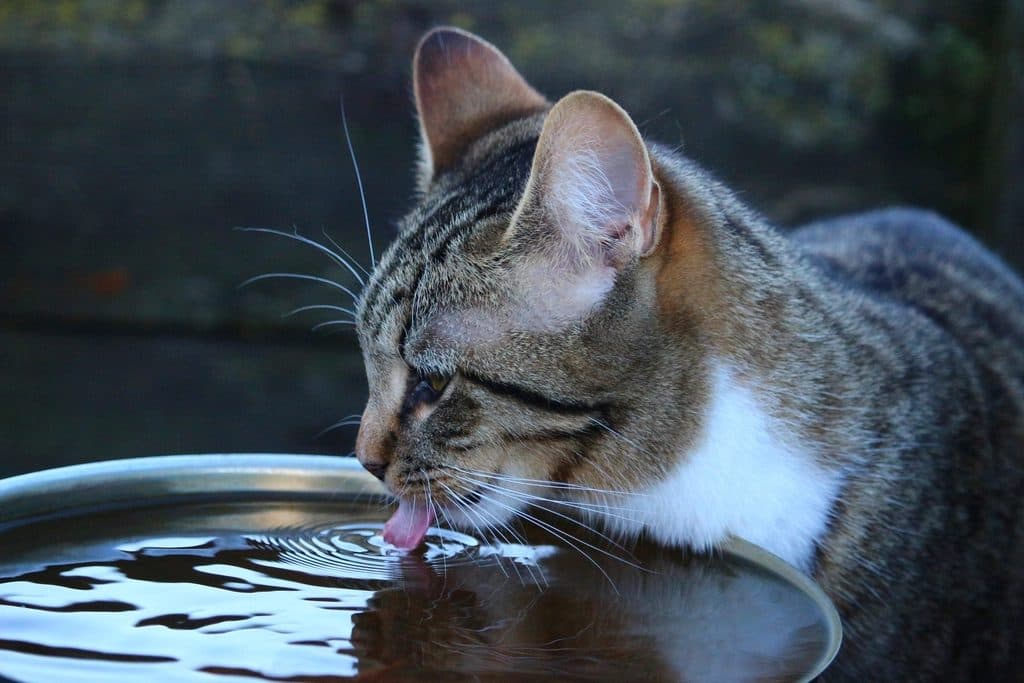
Understanding cat urinary problems
Urinary problems in cats range from simple infections to blockages that need care right away. Cats are prone to bladder inflammation linked to stress. Male cats can also get a blocked urethra, which is an emergency. Stones and crystals can form in the bladder and cause pain. Drinking a lot more water can point to a different problem, like diabetes or kidney disease. Because the signs look alike, a vet's questions make a big difference.
Signs to watch for
Every cat is different. These are the signs vets see most often:
- Peeing more often, or only small amounts.
- Peeing outside the litter box.
- Straining or crying while peeing.
- Blood in the urine.
- Licking the genitals more than usual.
- Drinking much more water.
One sign on its own may not mean much. A few together, or signs that keep coming back, are worth a vet visit.
Common causes
Finding the cause is what makes treatment work. Common ones include:
- Urinary tract infection.
- Bladder stones or crystals.
- Stress-related bladder inflammation (common in cats).
- Kidney disease or diabetes, especially in older pets.
How an online vet can help
A video visit with an online vet is often the fastest way to get answers. In one call, a licensed vet can:
- Ask the right questions to judge how urgent it is.
- Explain how to collect a urine sample for testing.
- Recommend diet changes that support bladder health.
- Prescribe treatment when appropriate.
- Refer you for urine tests, bloodwork or imaging when needed.
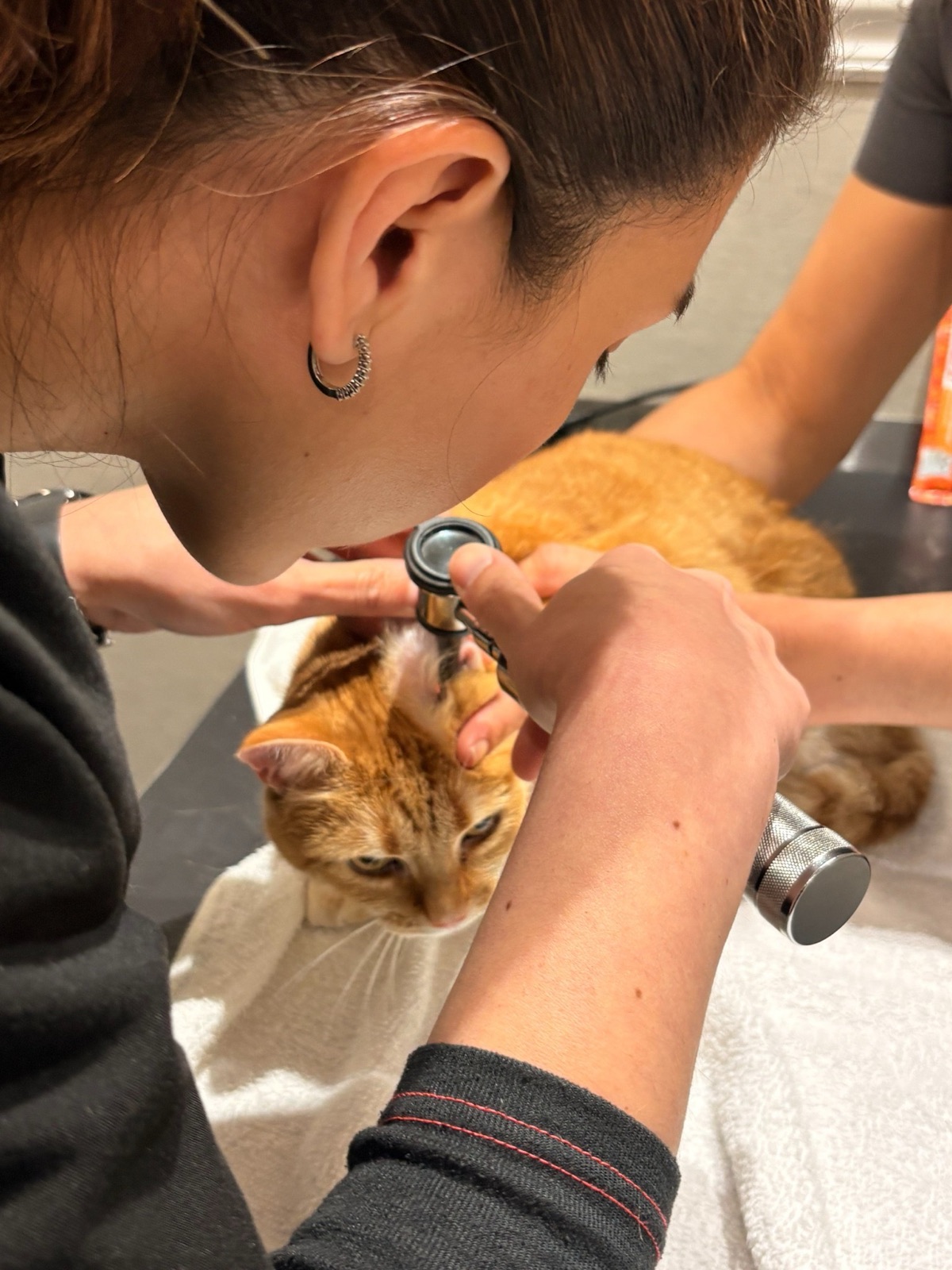
Before the call, take a few clear photos or a short video of the problem. Find a bright, quiet room. Keep your cat's food, any medicine and a few treats nearby. Write down when the problem started and what has changed since.
Treatment for urinary problems in cats
Treatment depends on the cause. Infections usually need medicine, and a urine test helps your vet choose the right one. Some crystals and stones can be dissolved with a special diet. Others need to be removed. Stress-related bladder problems often improve with more water, a calmer routine and changes at home. Your vet will tell you how to collect a urine sample and where to have it tested. Once treatment starts, most pets feel better within a few days. A repeat urine test later on confirms the problem has cleared.
For more background, see the Merck Veterinary Manual — Pet Owner Version, a trusted source written for pet owners.
Caring for your cat at home
Alongside your vet's plan, these steps help:
- Make sure fresh water is always available.
- Keep litter boxes clean — one per cat plus one extra.
- Note how often your pet pees and how much — your vet will ask.
Make sure fresh water is always available. Keep litter boxes clean, with one per cat plus one extra. Watch for changes in how often your cat pees.
Questions your vet may ask
Having answers ready makes the visit faster and more useful. Your vet will likely ask:
- How often is your cat peeing, and how much comes out?
- Have you seen blood or a strong smell?
- Is your cat drinking more water than usual?
- Has anything changed at home recently?
- Is your cat eating and acting normally?
After your visit, you'll find the care plan in your dashboard. If things don't improve as expected, book a follow-up with the same vet. They will already know your cat's history.
When to go in person
Go to an emergency clinic now if you notice:
- A male cat straining in the litter box and producing little or no urine — this can be life-threatening within hours
- Vomiting, crying in pain or hiding along with urinary signs
- Not peeing at all for 12 hours or more
Video visits aren't for emergencies. Don't wait for an appointment.
Still not sure what's going on?
A vet can look at your cat today and tell you what to do next.
Also see: Urinary in dogs