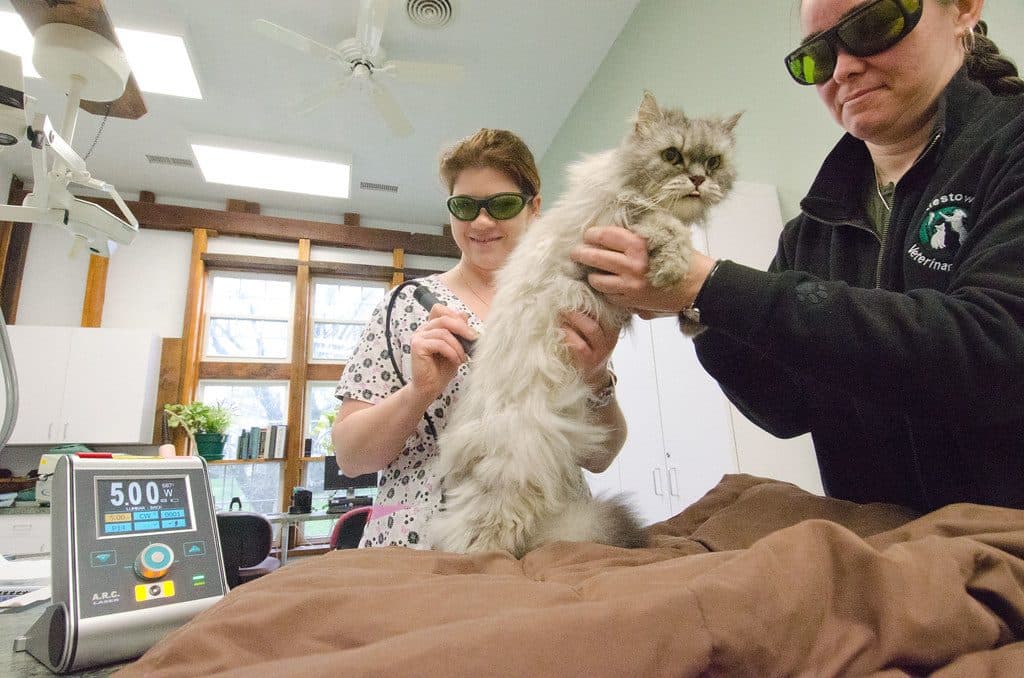
Understanding cat injuries
Injuries in cats happen fast, and it can be hard to know how serious they are. Many are minor, like a small cut, a torn nail or a sore paw after rough play. Bite wounds from fights with other cats are common, and they often get infected. Pets also hide pain well, so an injury can look smaller than it is. A quick video visit helps you decide if home care is enough.
Signs to watch for
Every cat is different. These are the signs vets see most often:
- Limping or not putting weight on a leg.
- A cut, scrape or broken nail.
- Swelling or bruising.
- Licking one spot repeatedly.
- Crying out when touched.
One sign on its own may not mean much. A few together, or signs that keep coming back, are worth a vet visit.
Common causes
Finding the cause is what makes treatment work. Common ones include:
- Rough play or a fall.
- Cuts from glass or sharp objects.
- Fights with other cats.
- Torn nails.
How an online vet can help
A video visit with an online vet is often the fastest way to get answers. In one call, a licensed vet can:
- Look at the injury and how your pet moves.
- Tell you how urgent it is.
- Explain how to clean and protect a minor wound.
- Prescribe pain relief or antibiotics when appropriate.
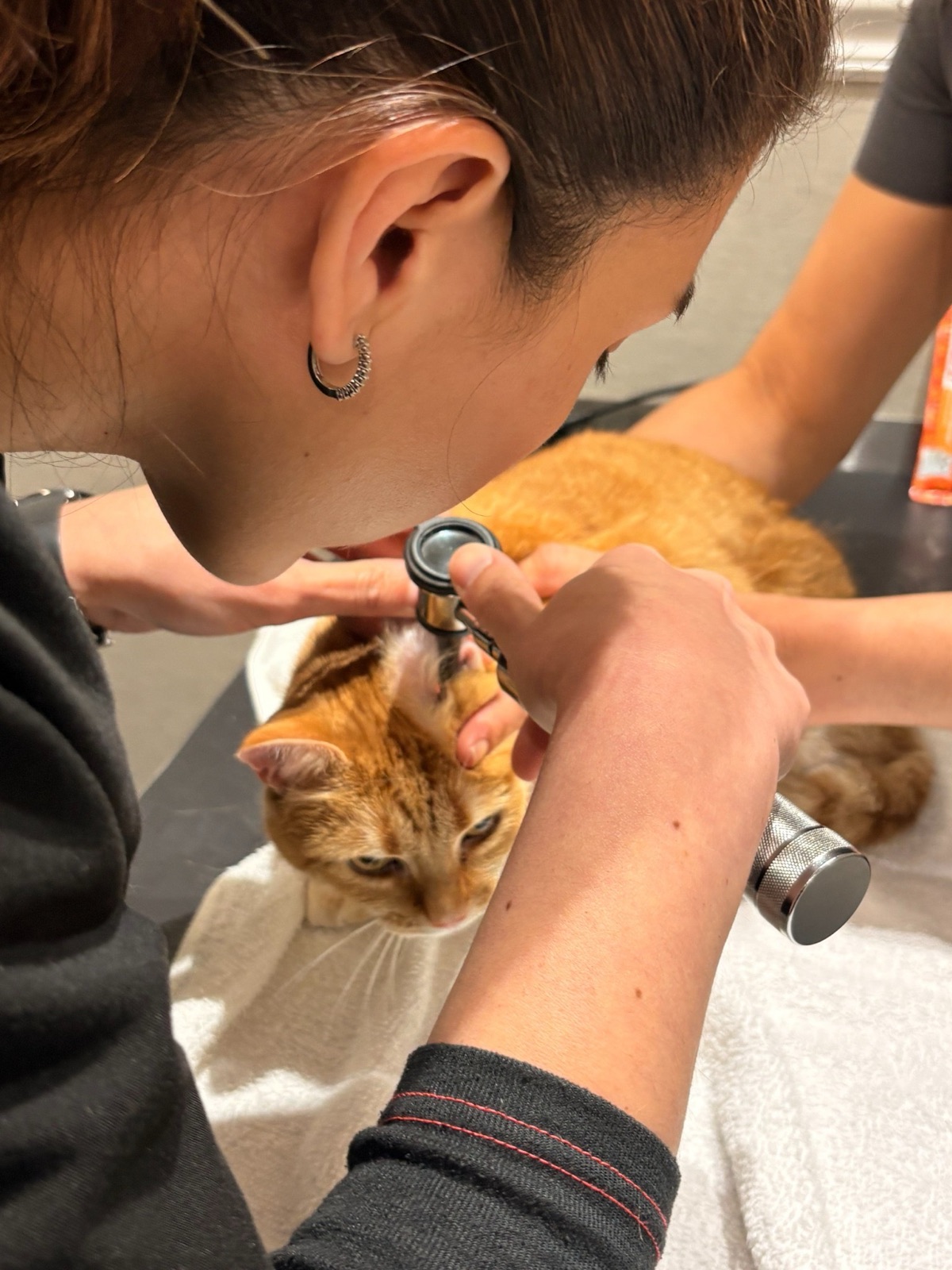
Before the call, take a few clear photos or a short video of the problem. Find a bright, quiet room. Keep your cat's food, any medicine and a few treats nearby. Write down when the problem started and what has changed since.
Treatment for injuries in cats
For minor wounds, your vet will explain how to clean and protect the area. They may suggest a cone, so your cat can't lick it. Some injuries need pain relief or antibiotics. A limp that doesn't improve in a day or two may need an X-ray. If your vet thinks the injury needs stitches or hands-on care, they will tell you right away. While it heals, keep your cat calm and rested. Check the wound each day for swelling, heat, a bad smell or discharge. These can be signs of infection.
For more background, see the Merck Veterinary Manual — Pet Owner Version, a trusted source written for pet owners.
Caring for your cat at home
Alongside your vet's plan, these steps help:
- Keep your pet calm and limit activity.
- Rinse minor wounds with clean water.
- Stop your pet licking the area.
- Never give human pain medication.
Keep sharp objects and chemicals out of reach. Trim nails regularly. Watch play between pets, and step in before it gets too rough. Keep a pet first-aid kit at home, with gauze, a bandage and your vet's number.
Questions your vet may ask
Having answers ready makes the visit faster and more useful. Your vet will likely ask:
- How and when did the injury happen?
- Is it bleeding, and how much?
- Will your cat put weight on the leg?
- Is your cat eating and drinking?
- Have you cleaned or covered the wound?
After your visit, you'll find the care plan in your dashboard. If things don't improve as expected, book a follow-up with the same vet. They will already know your cat's history.
When to go in person
Go to an emergency clinic now if you notice:
- Heavy bleeding that won't stop with pressure
- A possible broken bone
- Hit by a car, or a fall from height — even if your pet seems fine
- A bite wound from another animal — these often get infected
- Trouble breathing
Video visits aren't for emergencies. Don't wait for an appointment.
Still not sure what's going on?
A vet can look at your cat today and tell you what to do next.
Also see: Injury in dogs