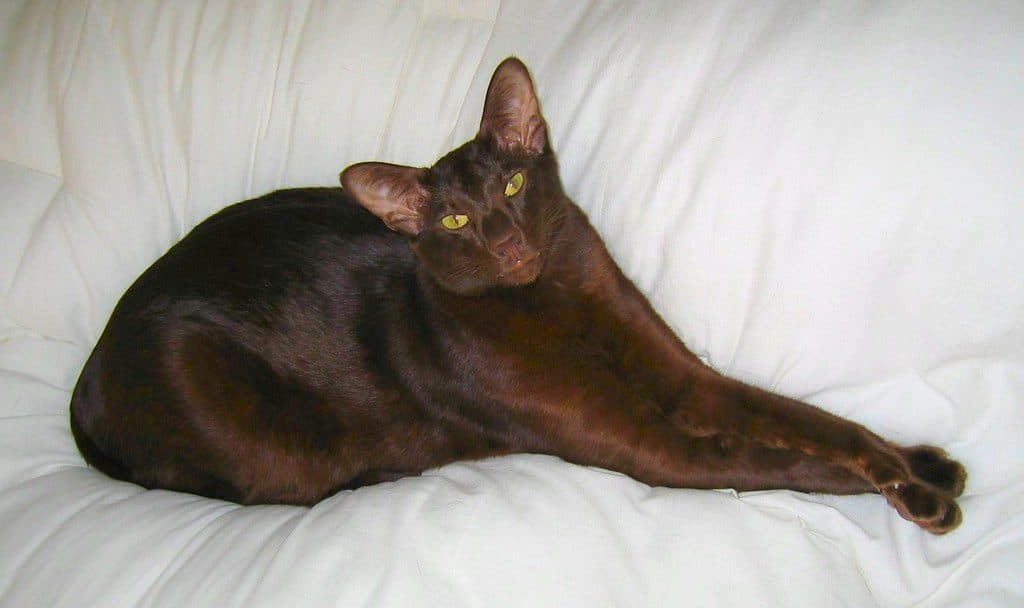
Understanding cat joint pain
Joint pain in cats is common, especially as they get older. Arthritis is the most common cause. Over time, the cushion inside the joint wears down, and the joint gets sore. Cats are experts at hiding pain. Many owners only notice that their cat no longer jumps up to favorite spots. Old injuries can also lead to sore joints later in life. Joint pain can't always be cured, but it can usually be managed well.
Signs to watch for
Every cat is different. These are the signs vets see most often:
- Stiffness after resting.
- No longer jumping onto furniture.
- Limping or favouring a leg.
- Licking a joint.
- Less interest in play or walks.
One sign on its own may not mean much. A few together, or signs that keep coming back, are worth a vet visit.
Common causes
Finding the cause is what makes treatment work. Common ones include:
- Arthritis, which is common in older pets.
- Extra weight putting strain on the joints.
- Arthritis that goes unnoticed because cats hide pain.
- An old injury.
How an online vet can help
A video visit with an online vet is often the fastest way to get answers. In one call, a licensed vet can:
- Watch your cat walk, sit and stand on camera.
- Suggest weight, exercise and home changes.
- Recommend supplements or pain relief when appropriate.
- Refer you for X-rays if they're needed.
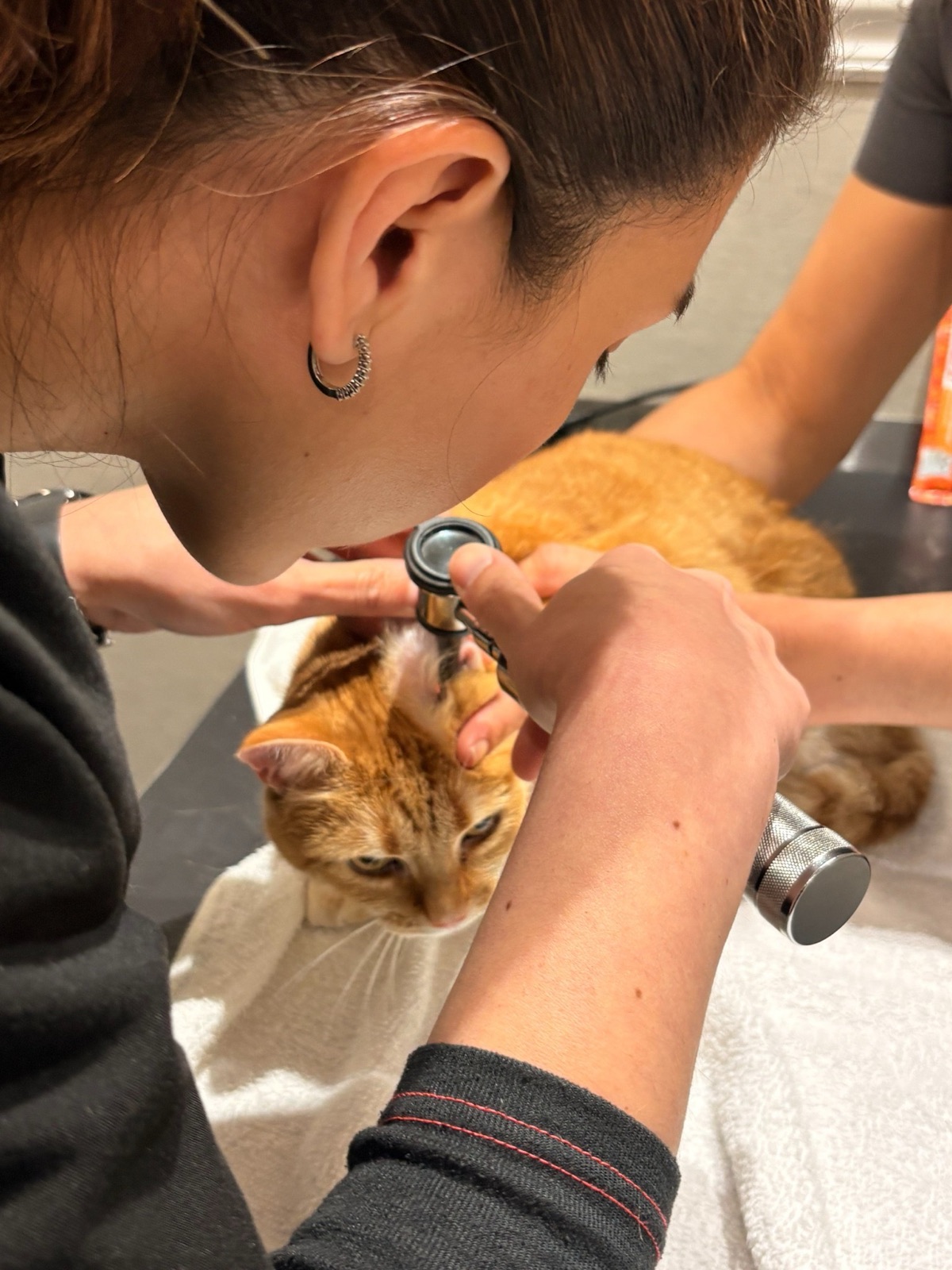
Before the call, take a few clear photos or a short video of the problem. Find a bright, quiet room. Keep your cat's food, any medicine and a few treats nearby. Write down when the problem started and what has changed since.
Treatment for joint pain in cats
Most plans combine a few steps. Keeping your cat at a healthy weight takes strain off the joints. Gentle, regular exercise keeps muscles strong. Your vet may suggest pain relief made for pets, and joint supplements in some cases. Small changes at home, like ramps or soft beds, help a lot. If your vet thinks X-rays are needed, they will refer you for an in-person visit. Joint care is a long-term plan. Regular check-ins let your vet adjust it as your cat ages, so they stay comfortable for longer.
For more background, see the Merck Veterinary Manual — Pet Owner Version, a trusted source written for pet owners.
Caring for your cat at home
Alongside your vet's plan, these steps help:
- Keep your pet at a healthy weight.
- Short, regular walks are better than one long one.
- Use a litter box with a low side.
- Never give human pain medication — many are toxic to pets.
Keep your cat lean from a young age. Build in daily exercise that suits their age. Book a check-up if you notice any change in how they move.
Questions your vet may ask
Having answers ready makes the visit faster and more useful. Your vet will likely ask:
- Which leg or legs seem sore?
- Is the stiffness worse after rest or after exercise?
- Has your cat gained weight recently?
- Does your cat still use stairs or jump up?
- Are you giving any supplements or medicine now?
After your visit, you'll find the care plan in your dashboard. If things don't improve as expected, book a follow-up with the same vet. They will already know your cat's history.
When to go in person
Go to an emergency clinic now if you notice:
- Unable to stand or walk
- A leg held up completely, or a swollen joint
- Sudden weakness in the back legs
Video visits aren't for emergencies. Don't wait for an appointment.
Still not sure what's going on?
A vet can look at your cat today and tell you what to do next.
Also see: Joint health in dogs